Child digital safety, without the panic
Practical writing on screen time, mobile-specific risks, and what actually helps — from the team building Paxio.
Latest articles

Co-parenting screen time rules: two homes, one phone
When a child moves between two homes, screen time rules often split in two. What actually needs to match, what doesn’t, and how to agree it calmly.
Family Link bypass: how kids get around it, and what actually helps
Family Link bypass explained for parents: where Google’s own help pages say the limits stop, what changed for teens at 13, and how to close the gaps.

Best parental control app in India: what to check before you choose
Looking for the best parental control app in India? What to check, how India’s data law affects the choice, and how free and paid Android options compare.
Parent communities for digital safety: where to find advice you can trust
Where parents find real help with kids’ screen time and online safety: how to choose a parent group, what to ask, and which red flags to avoid.

Are mod APKs safe? What parents should know about game mods
Mod APKs and cracked games can hide malware. What Google’s 2025 Play Protect data shows, and the Android settings that keep a kid’s phone safer.

Kids’ screen time on weekends: how much is too much?
Weekend screen time often runs well above weekdays. Why the school day hides the gap, what to watch for, and how to plan weekends without a fight.

AI voice-cloning scams: the “it’s me, I need help” call
A few seconds of your kid's voice is enough to fake an emergency call. What the FBI's 2025 data shows, and why a family code word beats caller ID.

Phones in the bedroom vs. a daily time limit: which one protects sleep
A daily limit counts minutes, not when they happen. What new sleep research found, and how to move the phone out without a fight.

SIM swap attacks: how a stolen phone number can take over your kid's accounts
No one touches the phone. The number moves to another SIM, and every text login code goes with it. Here's the lock only a parent can set.

Autoplay and kids: why "one more video" is hard to stop
The next video starts before your kid decides. Why stopping is the hard part, and what helps.

Smishing: the fake delivery and prize texts that target teens
A scam text doesn't land in a spam folder — it lands in the same thread as a message from mom. Why phones make this scam work.

Why Paxio doesn't read your kid's texts or calls
A lot of searches for "monitor my kid's texts" assume that means reading content directly. Here's why Paxio doesn't, on purpose.

Transitioning away from parental controls as kids mature
Controls that never change are a sign the setup stopped being reviewed. When and how to loosen them.

Parental controls for teenagers: finding the right balance
What works for a 9-year-old tends to backfire on a 15-year-old. Why the goal shifts from restriction to visibility.

Best parental controls for multiple children
One rule for every kid rarely works once ages spread out. What needs to differ per child, and what can stay shared.

Can your child bypass parental controls? An honest answer
Most apps can be worked around eventually. What's actually hard to bypass, what isn't, and why the honest answer matters.

What age should you start using parental controls?
There's no single right age — the right trigger is the device, not the birthday.

How to block apps on your child's phone (properly)
Blocking sounds like a one-tap setting. What Android's built-in tools do, and what actually stops a block from being undone.

Is Roblox safe for kids? What its own settings actually do
Roblox has a real content-rating system and a parental dashboard most families never open. What to set up today.

Screen time limits vs. app blocking vs. content filtering
Three toggles that sound alike but answer different questions. What each one actually does, and when you need more than one.

How on-device content filtering works (vs. cloud filtering)
"Content filtering" can mean two very different things depending on where the filtering actually happens.

In-game chat and spending: the two gaming-safety risks that aren't about screen time
Gaming discussions default to "how much time" — but the real incidents come from chat and spending, not duration.

What kids are actually sharing on social apps (and why)
The risk isn't the app — it's what gets shared without a kid realizing the audience or the permanence.

Helping your kid tell real from fake online — a practical starting point
About one-in-five teens use AI chatbots to get news. A concrete starting point for digital literacy, not an abstract lecture.

Finishing the app isn't the same as learning from it
A new APA report: engagement isn't the same as learning. What to actually check before trusting the "educational" label.

More screen time, better thinking? What an 8-year study actually found
A new 8-year Finnish study found more screen time linked to better cognitive processing, not worse. Here's the actual takeaway.
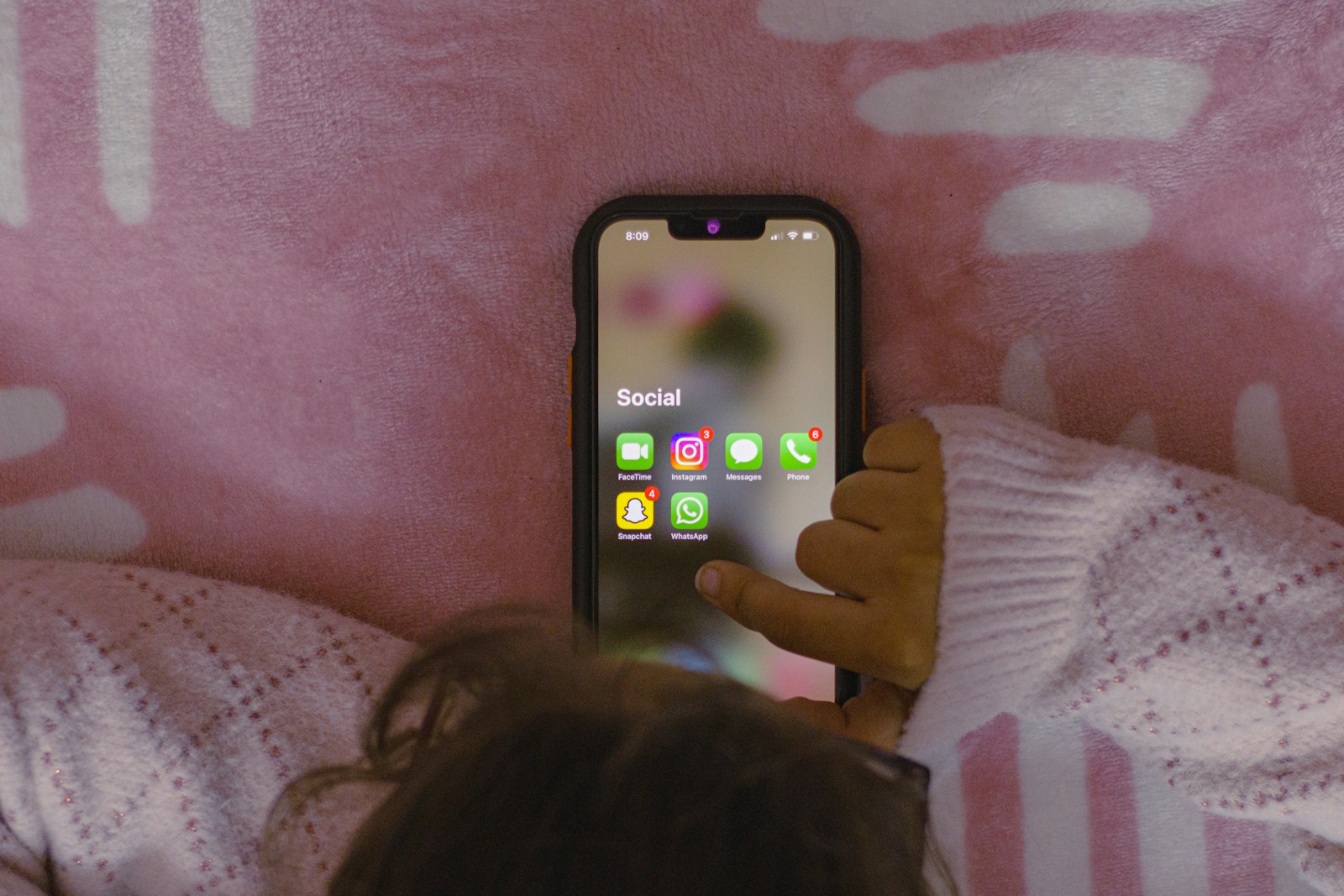
How to secure your child's phone: a complete best-practices checklist
86% of parents have screen-time rules; only 19% stick to them daily. The full checklist, in the order it actually matters.
Fake app clones: how a copycat gets millions of downloads before anyone notices
28 fake Play Store apps, 7.3 million downloads before removal. How lookalike apps get past app store review.

Cyberbullying: what it actually looks like, and how to notice it
Nearly a third of teen Snapchat users, and about a fifth on TikTok and Instagram, have faced harassment. Here's what it looks like day to day.

AI chatbots and kids: what's actually risky, and what isn't
86% of kids use AI. Only 37% of parents know. Here's what the actual usage looks like, and where the real risk sits.

Best parental control apps in 2026: what to look for, compared
The required-feature checklist, how Paxio fits, and an honest look at Family Link, Qustodio, Bark, and others.
Parental control apps that don't track your kid's location — what to look for
Most parental control apps quietly turn into location trackers. Here's what to actually check before you install one.

Notifications aren't accidentally distracting — they're built to be
A recent UNC study links frequent phone checking, not total screen time, to weaker attention. Here's why the design does that.

QR code scams work because of how phones handle them
The FBI's July 2025 warning on QR-coded packages, and why the format itself is the mobile-specific risk.

Age-appropriate screen time, now that the "two-hour rule" is gone
The AAP retired its 2016 two-hour guidance in January 2026. Here's what replaced it, by age.

The app permissions kids grant without thinking
Camera, microphone, contacts, location — and why the rules around them just got stricter.

What actually happens when you set a bedtime schedule
It sounds like a single toggle. Here's what it actually controls, what it doesn't, and where the real decisions are.