More screen time, better thinking? What an 8-year study actually found
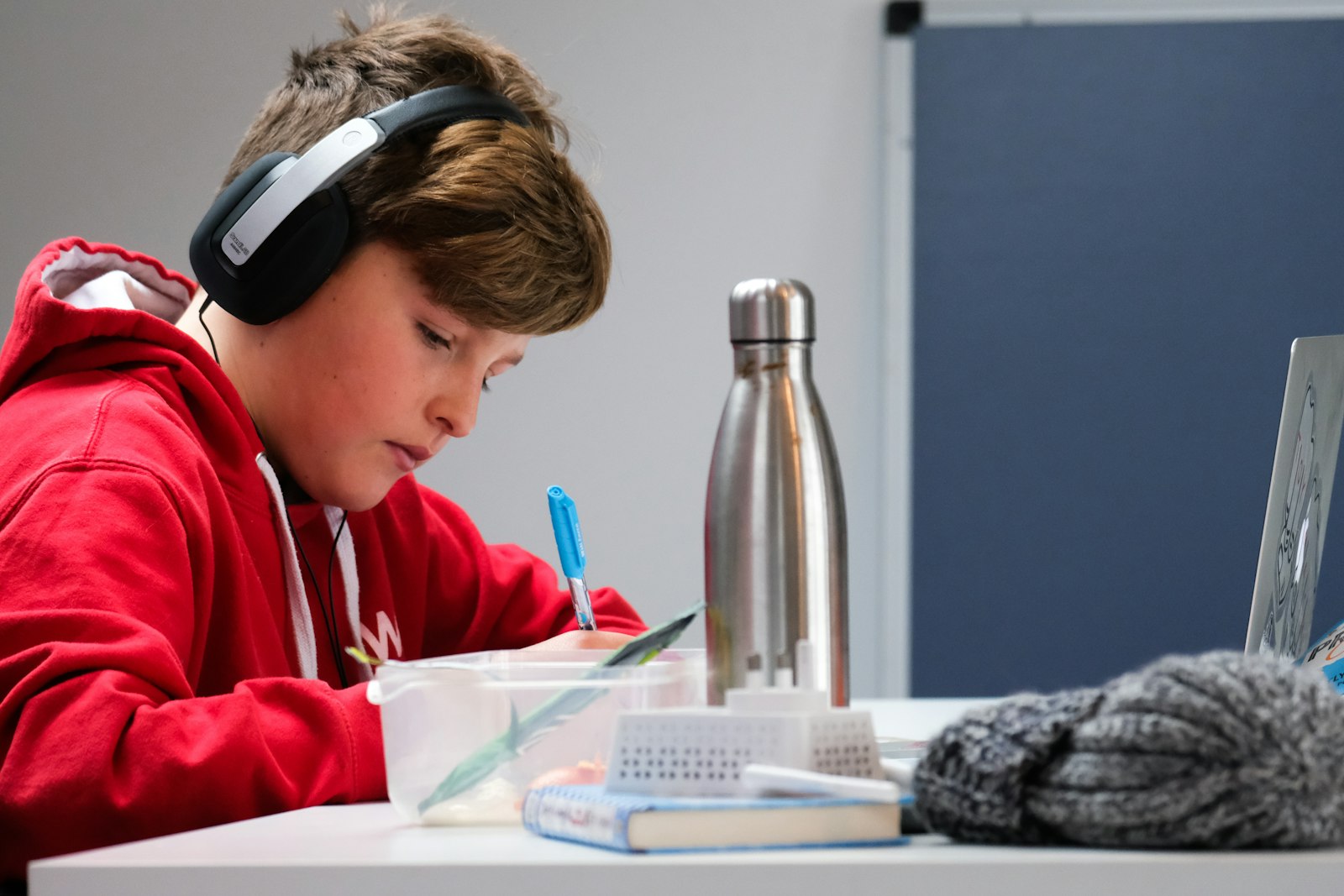 Photo by Compare Fibre on Unsplash
The default assumption going into most screen-time conversations is that more is simply worse, worse focus, worse mood, worse everything, in a straight line. A study published this August makes that line a lot less straight.
What the study actually found
Researchers at the Universities of Jyväskylä and Eastern Finland followed 260 kids (124 girls, 136 boys) for eight years, from childhood into adolescence, as part of the long-running PANIC study. At the end of it, the kids who'd racked up more cumulative screen time since childhood tended to show better cognitive processing at age 15 to 16, not worse. (University of Jyväskylä, August 11, 2026)
That's the opposite of what a lot of parents, and a lot of headlines, would expect.
Why that's not the permission slip it sounds like
The researchers themselves are careful not to oversell this. It's an association, not a causal claim, "we need more intervention studies to find out causal relations," as they put it. And they point to the real explanation themselves: "the essential point here is what kind of things they do in their screen time." A kid using a screen to build something, learn something, or work through a problem is doing something fundamentally different from a kid scrolling, even if a stopwatch can't tell the difference.
That distinction is easy to state and hard to act on, because duration is the thing you can actually see and measure, while what's happening on the screen usually isn't visible at a glance.
The question worth asking instead of "how long"
If total hours is a weak signal on its own, the more useful parent-level question becomes: what is this actually replacing, and what is my kid doing with it? A screen that's displacing sleep or in-person time is doing something different from one that's filling downtime with an interest they're actually engaged in. Same hour count, different kid, different outcome, which is exactly why a single universal time limit was always going to be a blunt instrument.
Four questions that say more than the hour count
Instead of only asking "how long was that?", try these after a screen session:
- What did you do? Creating, learning, chatting or scrolling?
- How do you feel now? Energised, calm, restless or low?
- What did it replace? Sleep, homework, being outside, time with friends?
- Did you choose to stop? Or did something pull you back in?
The answers tell you far more than a number on a report. They also teach children to notice their own habits, which is the skill that eventually replaces the limit.
Should you still set a screen time limit?
Paxio's screen time limits and reports tell you the number, how long, which apps, when. They can't tell you whether that hour was a kid actively building something in Minecraft or passively watching someone else do it, and no app honestly can; that distinction still requires a conversation, not a dashboard. What the limit can do is put a ceiling on the hours you're less sure about, so the harder question, what's actually happening during the time that's left, is the one you get to spend your attention on.
Screen time limits and the reports screen handle the counting in the background, so the conversation about what your kid is doing with their screen time doesn't get lost in arguing about how much.
Frequently asked questions
Does more screen time make kids worse at thinking?
One long-term Finnish study found more screen time was linked to better cognitive processing, but that doesn't make unlimited use a good idea. What kids do on screens matters as much as how long.
Is total screen time the right thing to measure?
It's an incomplete measure. Ask what the time was spent on, what it replaced and how the child feels afterwards.
Should I still set a screen time limit?
Yes, a limit is a useful guardrail, especially with bedtime and homework, as long as it's paired with attention to what your child is doing.